- Home
- Field cases
- False sand signal - Field case
False sand signal
On a subsea field with wells and templates spread over a large area, no sand production had been observed for ten years. Suddenly, wells on several different well templates began detecting low sand rates.
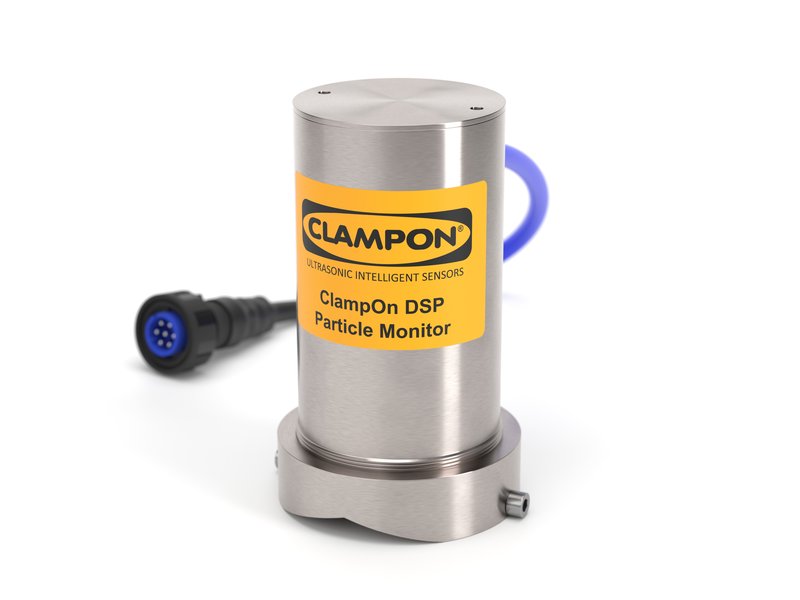
The operator contacted ClampOn because it was unlikely that multiple wells would start producing sand at the same time.
ClampOn confirmed that the signal was indeed caused by sand production and began investigating in close dialogue with the operator. Different hypothesis were considered, could the particle signal be caused by contamination in the MEG injection system, or sand produced from the reservoir, rather than a fault in the Particle Monitors?
The field had a MEG injection system installed on all wells, and the MEG was supplied from a shared tank. During the investigation, solid particles were found in the MEG tank due to a system fault. These particles were then unintentionally carried through the MEG injection system and distributed into several wells, creating a signal that resembled low-level sand production.
A MEG injection system supplies monoethylene glycol from a shared tank to production wells to prevent hydrate formation. Because the same MEG source serves multiple wells, contamination in the tank can be distributed throughout the entire injection network.
ClampOn’s instruments detected the particles even at very low rates. The measurements confirmed that the signal was not caused by actual sand production from the wells, but by particles introduced through the MEG injection system. This case demonstrated the sensitivity and reliability of ClampOn Particle Monitors.
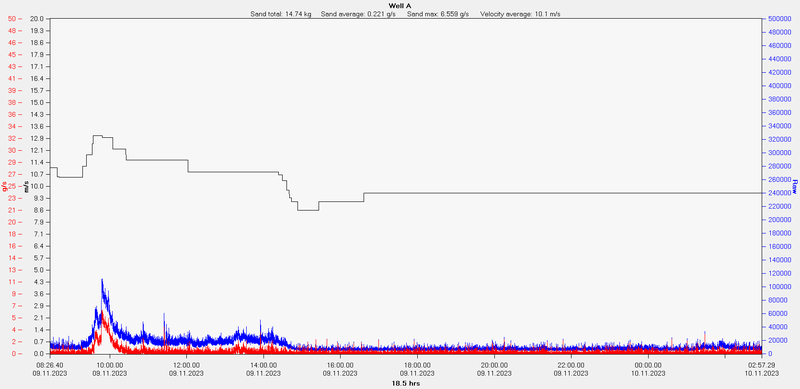
By identifying the true source of the particles, ClampOn helped the operator resolve the MEG injection issue, avoid unnecessary well intervention, and maintain confidence in the Particle Monitor data.
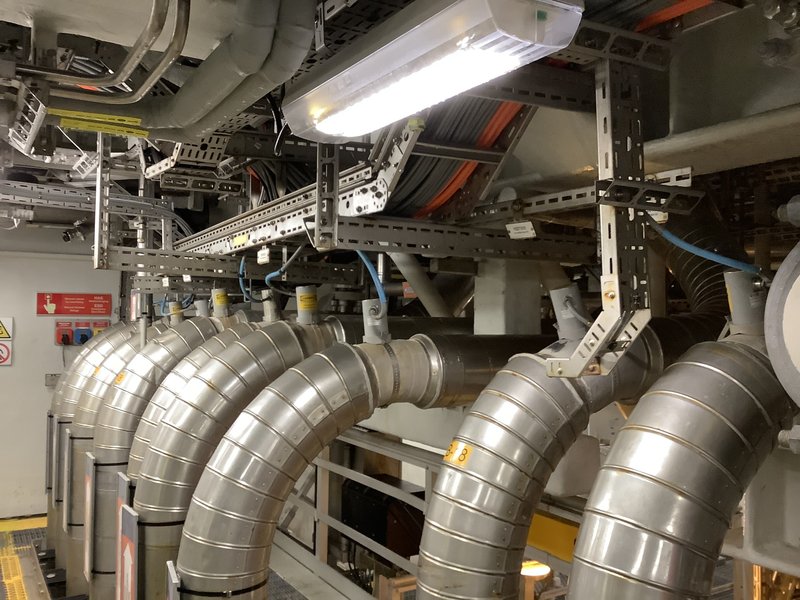
Additional information about ClampOn DSP Particle Monitors
Field cases
-
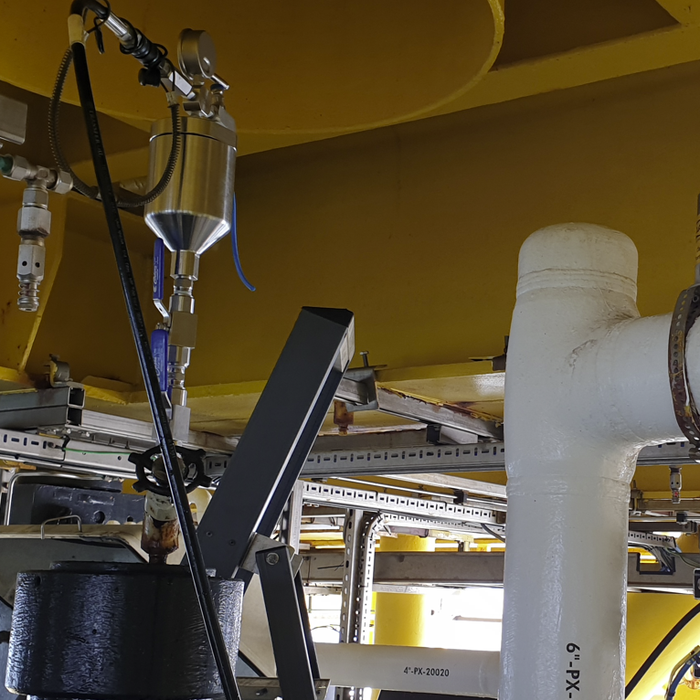
03.06.26
Sand Injections
ClampOn service department has over 30 years’ experience with sand injection jobs, for operators all over the world.
-
23.10.25
Subsea Non-intrusive Flow Temperature Monitoring on long subsea gas pipeline
ClampOn was tasked with developing a solution for temperature monitoring along a long subsea gas pipeline from a large offshore field
-

20.06.25
Installation of Subsea Corrosion-Erosion Monitor (CEM) offshore India
Installation and configuration from vessel to seabed
-

09.12.24
What can we do to prevent choke failure?
Helping the operator by using ClampOn Choke Condition Monitor to avoid producing with a choke at an opening that can cause high vibration or sound pressure levels