Remote Training
Effective use of ClampOn systems requires more than installation, it requires understanding. ClampOn Remote Training provides structured, expert‑led training sessions delivered online, ensuring that operator personnel can confidently operate, interpret, and maintain ClampOn measurement systems regardless of location.
The service enables consistent knowledge transfer across teams, reduces dependency on onsite presence, and helps operators maximize the value of their ClampOn solutions from day one.
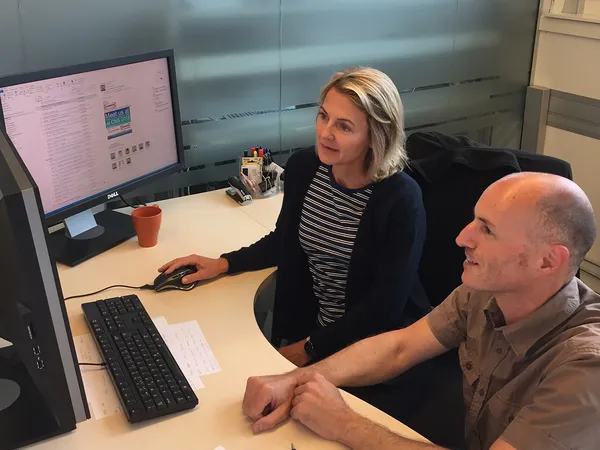
ClampOn Remote Training is tailored to your specific system configuration, application, and operational environment. Training content is adapted to match both the installed ClampOn system and the category of users, ensuring relevance and practical value.
Training can be customized for:
- Operations and control room personnel
- Maintenance and field technicians
- Data analysis and technical specialists
- Production, process, and integrity engineers
This role‑based approach ensures that each participant gains the knowledge required for their day‑to‑day responsibilities.
ClampOn can deliver customized remote training courses designed around the customer’s systems and user groups. Course scope and depth are adjusted based on experience level, operational role, and training objectives.
Typical course formats include:
- ½‑day courses for focused system overviews or refresher training
- 1‑day courses covering operation, data interpretation, and alarms
- 2‑day courses for deeper training combining operation, data analysis, maintenance aspects, and practical case discussions
This flexibility allows operators to select the level of detail and time commitment that best fits their organization and operational needs.
All Remote Training sessions are delivered live by experienced ClampOn engineers with deep product and application knowledge. Sessions are interactive, allowing participants to ask questions, discuss real scenarios, and relate the training directly to their own operations.
Live training may include:
- System functionality and measurement principles
- Interpretation of data, trends, and alarms
- Common operational scenarios and best practices
- Questions and discussion based on participant input
This interactive format ensures higher engagement and better knowledge retention compared to static training material.
Remote Training emphasizes practical use rather than theory alone. ClampOn engineers explain how systems behave under real operating conditions and how to correctly interpret measurement outputs.
Key focus areas include:
- Understanding measurement signals and trends
- Recognizing normal versus abnormal behavior
- Interpreting alarms and events in operational context
- Using data to support operational decision‑making
This helps operators build confidence in the data and actively use it in daily operations.
Remote Training eliminates the need for travel and allows training to be scheduled efficiently across locations and time zones.
Sessions can be arranged as:
- Single, focused training events
- Multi‑session courses delivered over time
- Refresher training for experienced users
This flexibility simplifies onboarding of new personnel and helps maintain competence as teams evolve.
Where appropriate, training material and documentation can be provided to support long‑term knowledge retention. This ensures that key learnings remain available after the training session and can be shared internally within the organization.
Documentation may include:
- Training presentations
- Practical guidelines and best‑practice notes
- References for further learning and support
This supports consistent use of ClampOn systems across shifts and teams.
Remote Training offers a cost‑effective way to build competence without onsite mobilization. It reduces travel costs, minimizes operational disruption, and allows multiple participants to join from different locations simultaneously.
For operators with ongoing support needs, Remote Training can also be combined with other ClampOn service offerings to form a comprehensive competence‑building and support strategy.