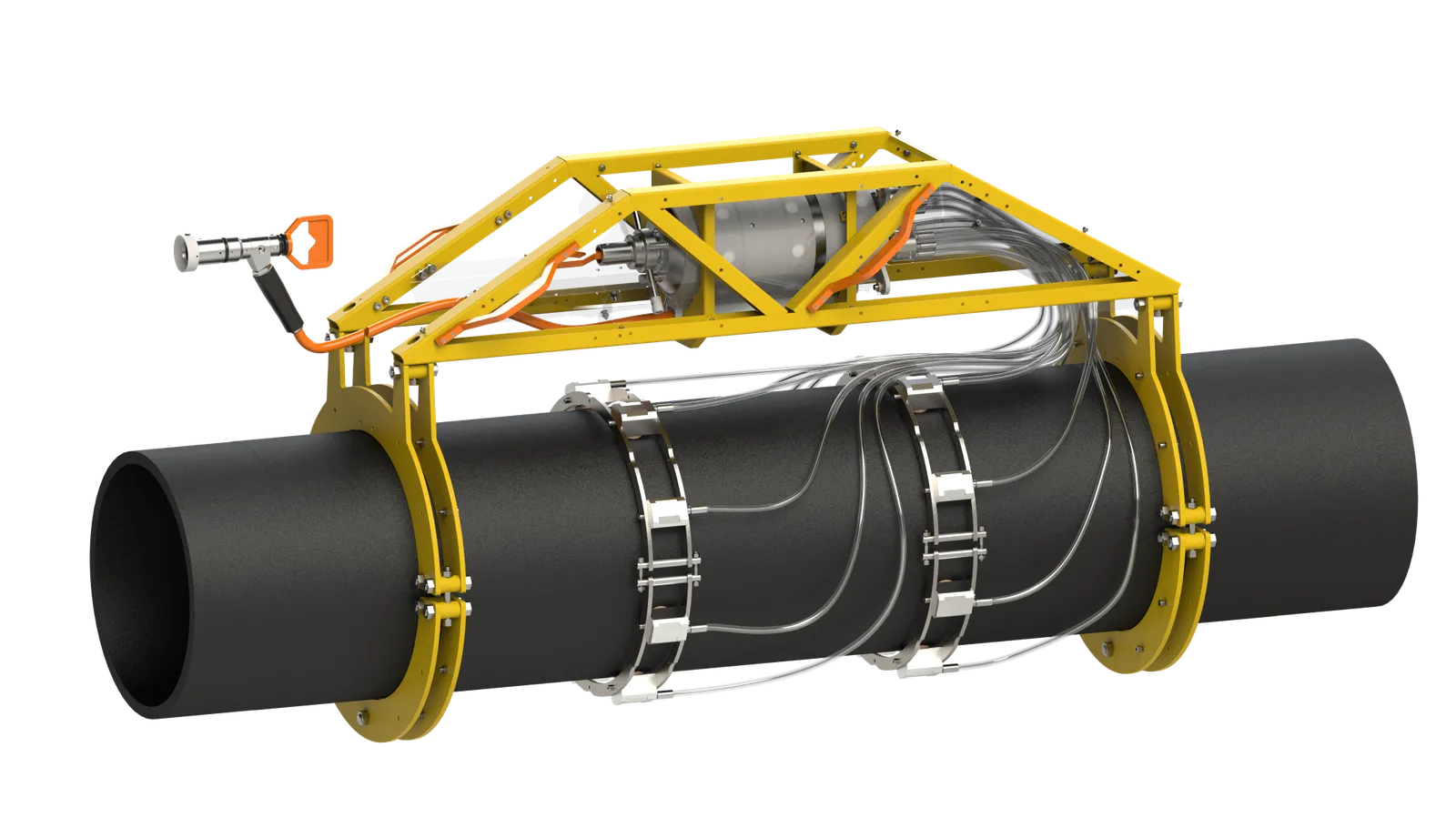
We have received a large contract for the supply of Subsea Corrosion Erosion Monitoring instruments for a project in South America.
This achievement highlights the global confidence and tremendous value that operators place in our cutting-edge technology.
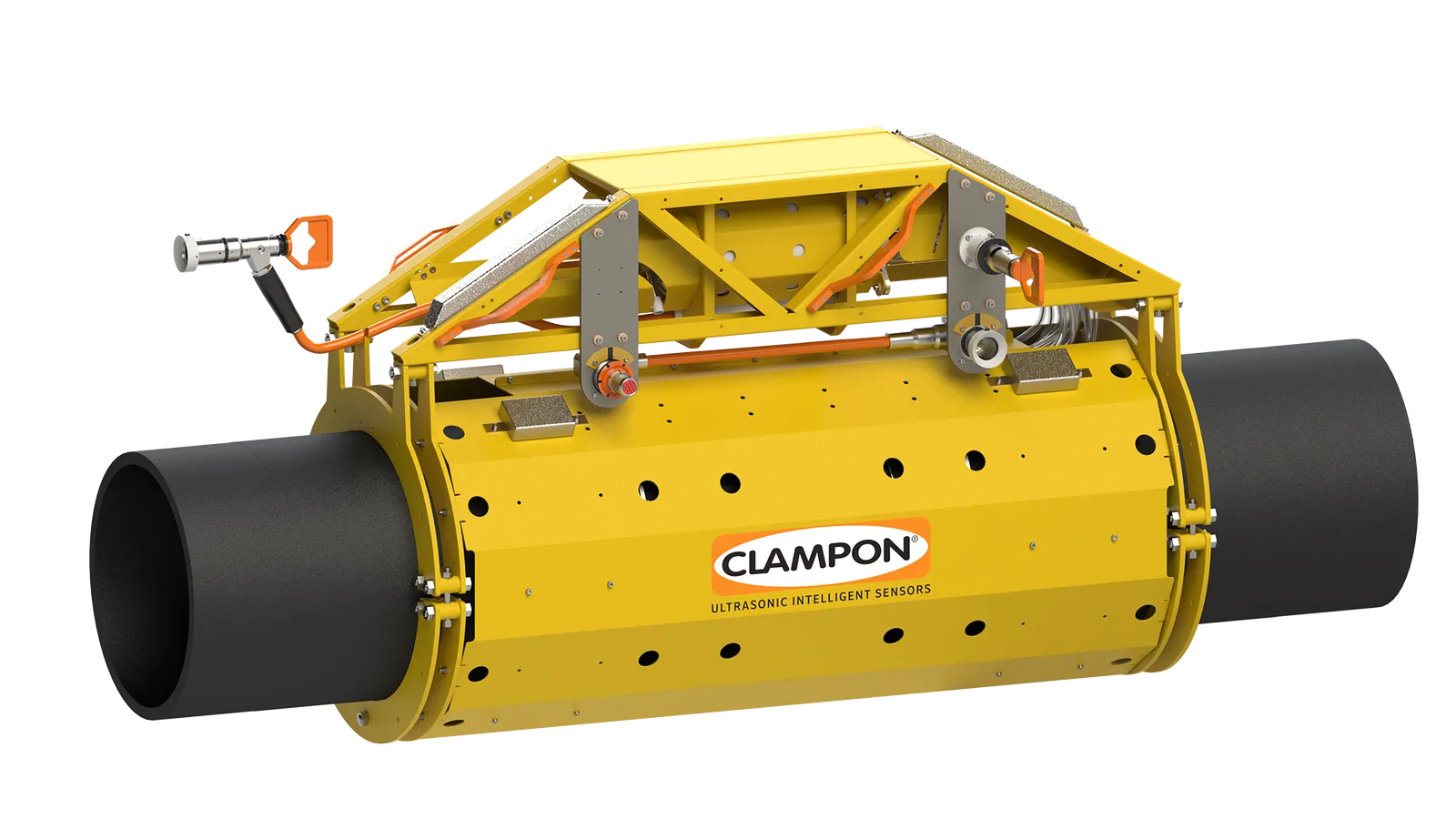
You can read more about our Corrosion Monitor here
The ClampOn Subsea Corrosion-Erosion Monitor is a non-intrusive device designed to continuously monitor and measure changes in wall thickness of subsea pipelines and structures. It uses Acoustic Guided Lamb Waves (AGLW) technology to detect and quantify corrosion and erosion over a large area. This provides operators with crucial information on the integrity of their assets, allowing them to optimize their operations both in a safe and cost saving manner.
Securing this order is a powerful testament to our unwavering commitment to innovation and quality. We take big pride in supporting our clients worldwide with state-of-the-art technology that significantly enhances operational efficiency and safety.
If you have any further questions or need additional information about the ClampOn Subsea Corrosion Erosion Monitor, please do not hesitate to reach out to Area Sales Manager Eirik Walle, eirik.walle@clampon.com
An indepth article on corrosion monitoring can be found here
More articles
-
 03.07.2026 | Company | Product
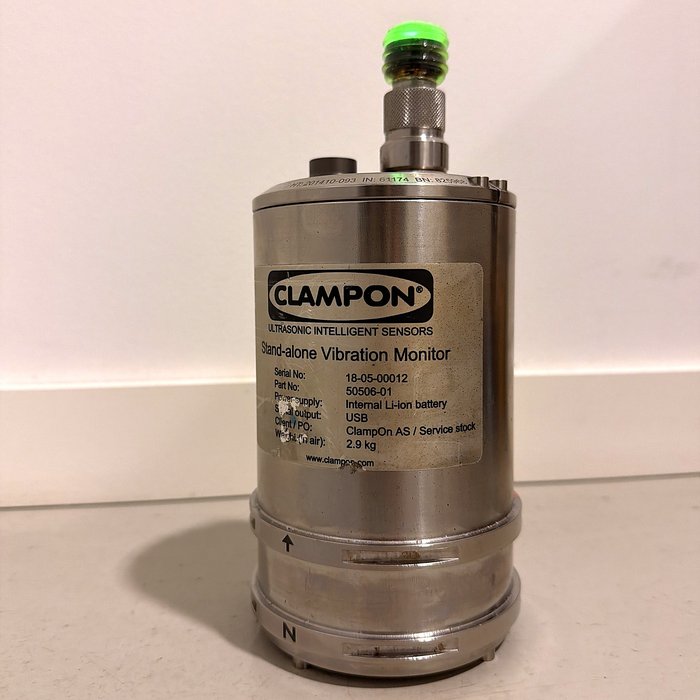
ClampOn Vibration Monitor detected earthquake
In case you missed the earthquake outside Bergen, our ClampOn Vibration Monitor picked it up!
-
 03.06.2026 | Company | Product
An important milestone for ClampOn
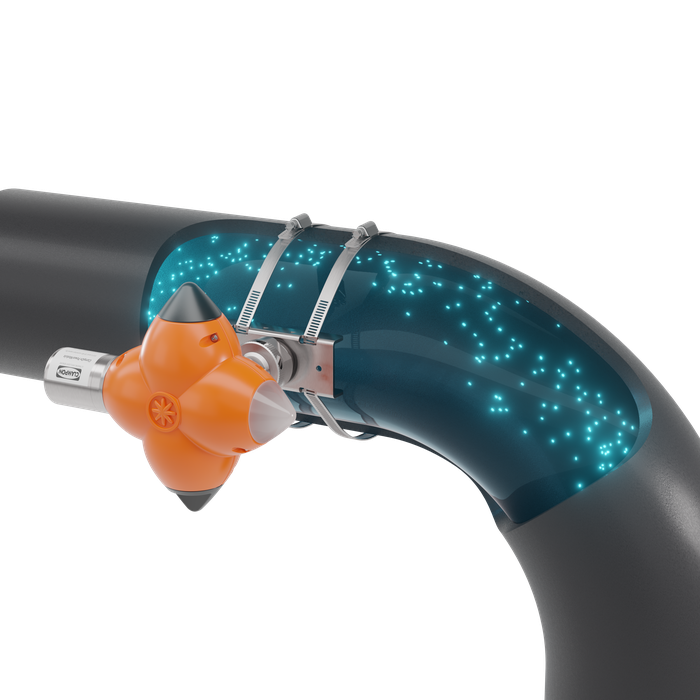
We have secured our first commercial sale of the BIRD Particle Monitor for deployment at a large, mature field in the Middle East.
Article by Rolf Pensgaard -
 26.01.2026 | Company | Product
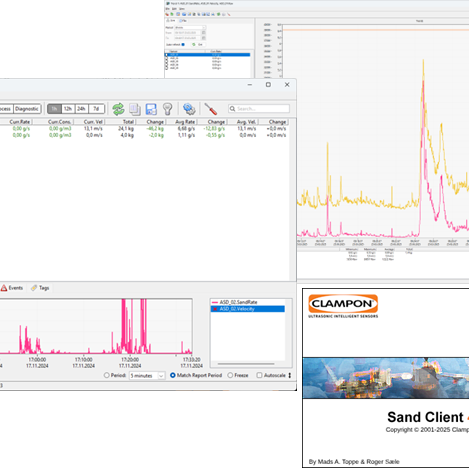
Introducing ClampOn Sand Monitor 4.0
ClampOn Sand Monitor and Sand Client 4.0
Article by Mads Toppe -
 09.01.2026 | Company | Product
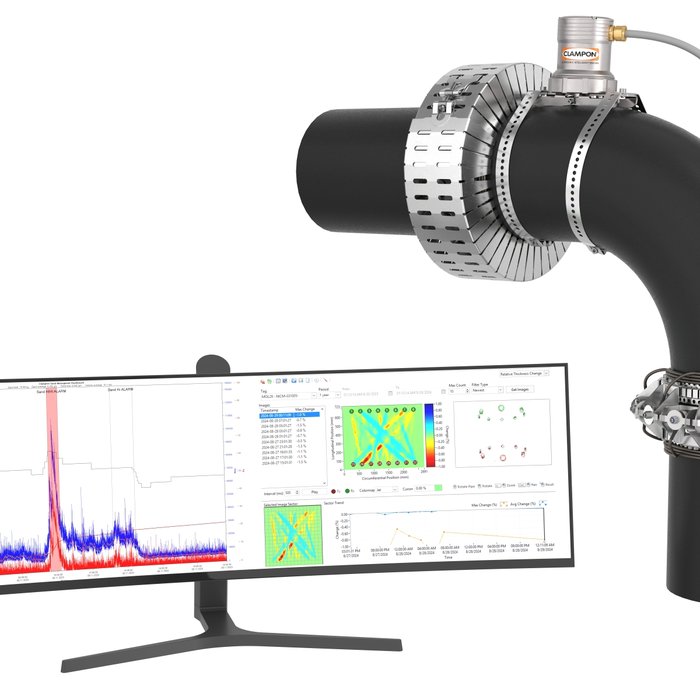
ClampOn Sand & Erosion Monitoring - Not a Single Spot Missed
In a pipe bend, erosion does not play by the rules - it can strike anywhere, at any time.
Article by Eirik Walle