Non-Intrusive PIG detection for pipeline integrity and monitoring
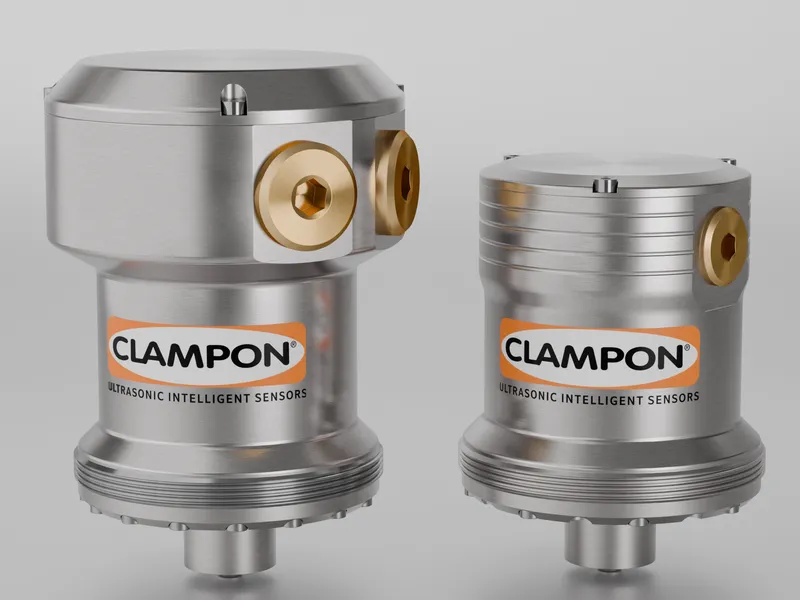
By: Åshild Trædal
Published:
Subject: Product
What is PIG detection and why do you need a PIG detector?
PIG detection is the process of identifying when a PIG (Pipeline Inspection Gauge) enters, passes through, or arrives at specific points in a pipeline. PIGs are essential tools used for cleaning, inspecting, and maintaining pipelines in both offshore and onshore environments.
A PIG detector - also known as a PIG signaller - is used to confirm the PIG’s movement in real time. This is critical for:
- Verifying successful PIG launch and arrival
- Monitoring PIG passage at key points along the pipeline
- Preparing receiving valves in advance
- Detecting debris pushed ahead during cleaning
- Avoiding lost PIGs and unplanned shutdowns
- Enhancing pipeline integrity and operational safety
- Reducing maintenance costs and downtime
Without a reliable PIG detection system, operators risk delays, safety hazards, and costly interruptions. The ClampOn DSP PIG Detector provides a proven, non-intrusive solution that ensures accurate, real-time PIG detection - improving both safety and efficiency.
Continue reading about PIG detection, how it works, benefits and applications here
More articles
-
 30.03.2026 | Product
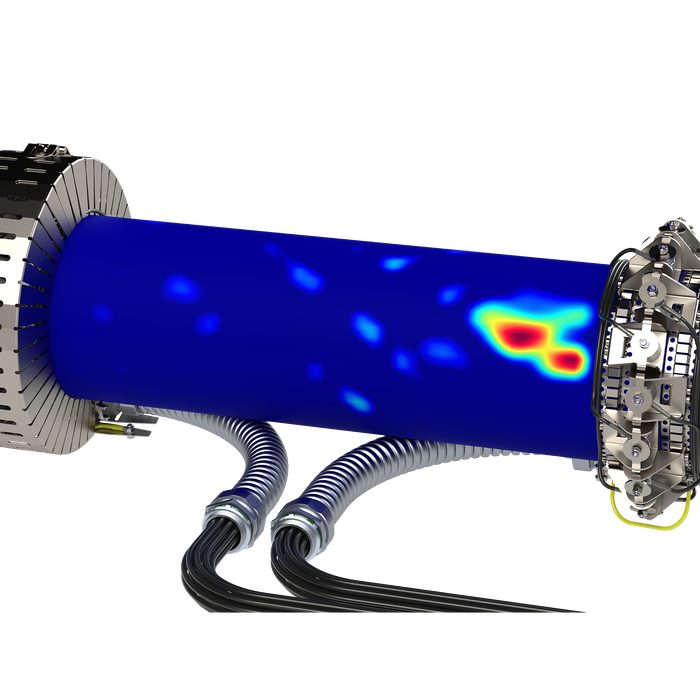
Optimizing corrosion management with the ClampOn Corrosion Erosion Monitor (CEM)
Article by Rolf Pensgaard -
 27.03.2026 | Product
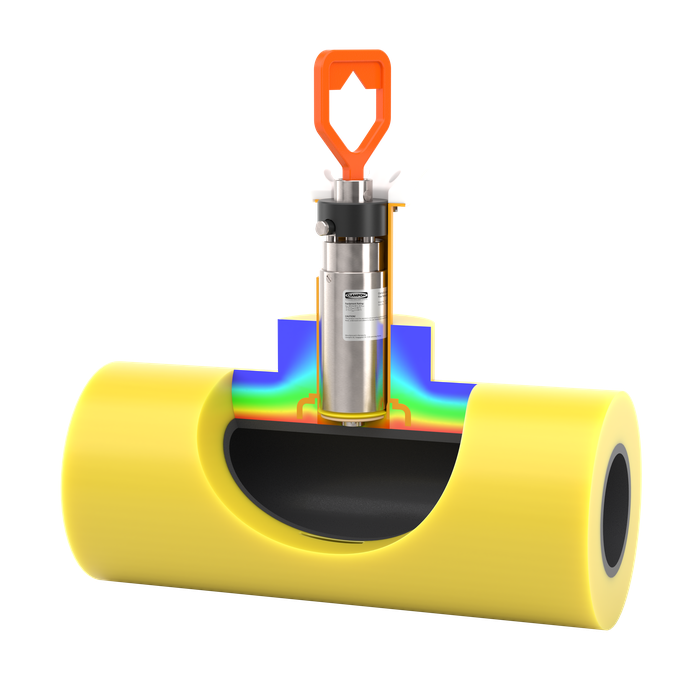
Non-intrusive flow temperature measurement
ClampOn’s non-intrusive technology provides continuous flow temperature data from the outside of a pipeline.
-
 26.01.2026 | Company | Product
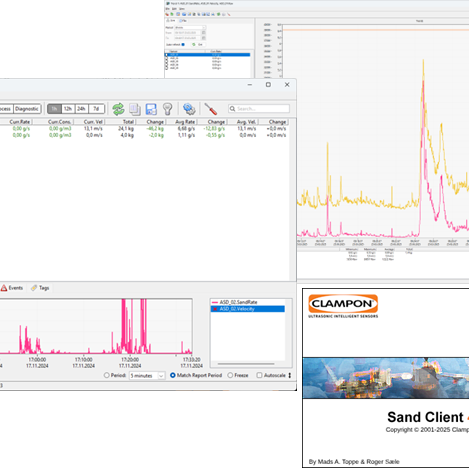
Introducing ClampOn Sand Monitor 4.0
ClampOn Sand Monitor and Sand Client 4.0
Article by Mads Toppe -
 09.01.2026 | Company | Product
ClampOn Sand & Erosion Monitoring - Not a Single Spot Missed
In a pipe bend, erosion does not play by the rules - it can strike anywhere, at any time.
Article by Eirik Walle