By: Rolf Pensgaard
Published:
Subject: Product

Corrosion remains one of the most persistent integrity challenges in oil and gas production. Effective corrosion control requires both reliable chemical treatment and accurate, continuous insight into what is actually happening inside the pipeline. The ClampOn Corrosion Erosion Monitor (CEM) enables operators to move from routine, assumptionbased corrosion management to a modern, datadriven digitalization strategy.
What corrosion inhibitors do
Corrosion inhibitor dosing involves injecting a chemical into the production stream to form a thin protective film on the internal steel surfaces. This film reduces the reaction between the metal and corrosive elements such as water, CO₂, H₂S, and oxygen, thereby slowing corrosion.
In most operations today, inhibitor dosage is set according to production rates and supplier recommended partspermillion (ppm) values. While this approach offers general protection, it does not account for realtime changes in flow conditions, water content, or corrosion activity. As a result, operators often risk either underdosing, which can compromise asset integrity, or overdosing, which leads to unnecessary chemical consumption and additional cost.
The value of continuous corrosion insight
The ClampOn non-intrusive CEM delivers continuous, online measurements of metal loss in pipelines and process systems, providing real-time wall thickness quantification as part of its monitoring capability.
With realtime visibility into corrosion and erosion activity, operators gain a precise understanding of pipe wall condition and can detect changes as soon as they occur.
This data enables a shift from fixed chemical routines to condition based corrosion management. Instead of relying solely on periodic inspections or conservative chemical estimates, injection rates can be adjusted to match actual corrosion behaviour in the line.
Benefits of condition based chemical management
By using non-intrusive, online corrosion monitoring to guide dosing, operators can significantly improve the efficiency and quality of their corrosion control programs.
Reduction in operational risks
Real-time feedback helps avoid both under- and over-dosing, reducing the likelihood of accelerated corrosion, equipment damage, or production upsets caused by chemical imbalances.
Lower chemical requirements
Optimizing dosage to actual corrosivity leads to more efficient chemical use. Operators avoid the cost and logistics of storing and handling excessive chemical volumes.
Improved asset integrity
Continuous monitoring provides early warning of changes in corrosion or erosion rates, allowing timely adjustments before issues escalate. This strengthens pipeline and equipment reliability throughout the asset’s life and supports predictive maintenance strategies.
Higher reliability in challenging systems
Wells and process streams with fluctuating flow conditions, high water cuts, or varying gas composition benefit particularly from real‑time visibility. The operator gains confidence in corrosion control, even in dynamic environments where traditional methods struggle.
A smarter, safer approach to corrosion control
Integrating the ClampOn CEM into a corrosion management strategy provides operators with the tools needed to optimize inhibitor usage, protect critical infrastructure, and support stable, predictable operations. With accurate, continuous corrosion data,chemical dosing becomes proactive, efficient, and far better aligned with the true conditions inside the pipeline.
Why realtime monitoring makes a difference
1. It detects real wear — not just predicted wear
Corrosion prediction models estimate what should happen under certain conditions. A ClampOn Corrosion Erosion Monitor shows what is actually happening inside the pipe.
This removes guesswork, validates inhibitor performance, and helps operators avoid unpleasant surprises.
2. It catches issues that inhibitors alone cannot fix
Even with correct inhibitor dosing, other integrity threats can appear, such as:
- sand erosion
- water breakthrough
- scaling or deposits
- changes in flow regime
Non-intrusive corrosion monitors are sensitive to these changes, acting as an early warning system so operators can respond before the situation escalates.
3. It provides more insight than periodic physical inspections
Traditional tools like UT or smart pigs only show corrosion after it has happened.
ClampOn’s system provides:
- continuous, real‑time data
- clear trending information
- early detection of accelerated wear
This empowers operators to act proactively rather than reactively - long before damage becomes costly or critical.
In simple terms:
Corrosion inhibitors help prevent corrosion. The ClampOn monitors prove that the inhibitor program is working. Together, they keep corrosion under control, protect assets and help avoid expensive failures.
Additional information about the ClampOn Corrosion-Erosion Monitor
More articles
-
 27.03.2026 | Product
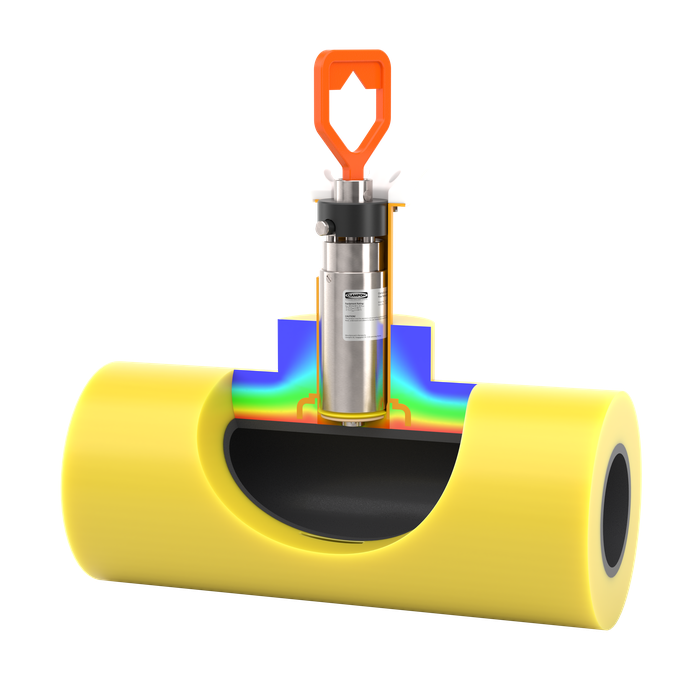
Non-intrusive flow temperature measurement
ClampOn’s non-intrusive technology provides continuous flow temperature data from the outside of a pipeline.
-
 26.01.2026 | Company | Product
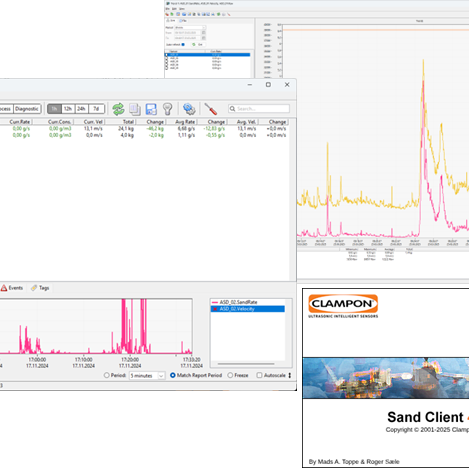
Introducing ClampOn Sand Monitor 4.0
ClampOn Sand Monitor and Sand Client 4.0
Article by Mads Toppe -
 09.01.2026 | Company | Product
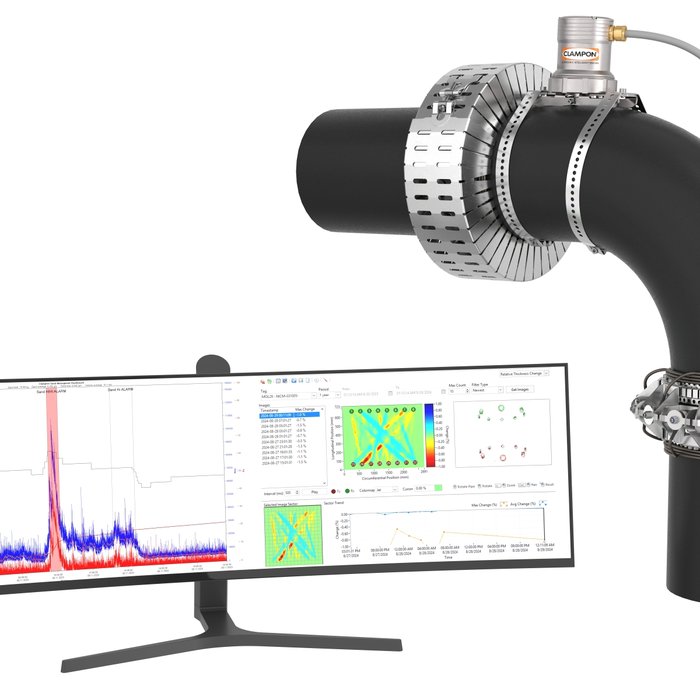
ClampOn Sand & Erosion Monitoring - Not a Single Spot Missed
In a pipe bend, erosion does not play by the rules - it can strike anywhere, at any time.
Article by Eirik Walle -
 22.12.2025 | Company | Product
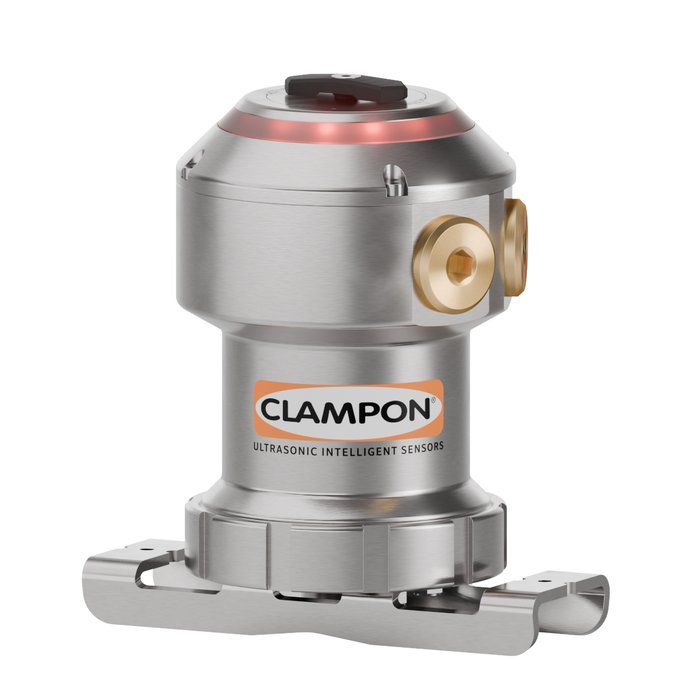
PIG Signalling Ex i and Ex d e
The ClampOn PIG Detector provides precise pig monitoring using advanced acoustic and magnetic technology. Choose between Ex i and Ex d e for optimal safety in hazardous areas, without compromising performance.
Article by Tonje Dahl